Quality in your hands
With our easy-to-use, high-quality laboratory and in-process solutions, we want to contribute to the health, safety and well-being of humans and the environment. Our specialists around the world actively support our customers in finding a perfect solution for their application.


Solutions Overview
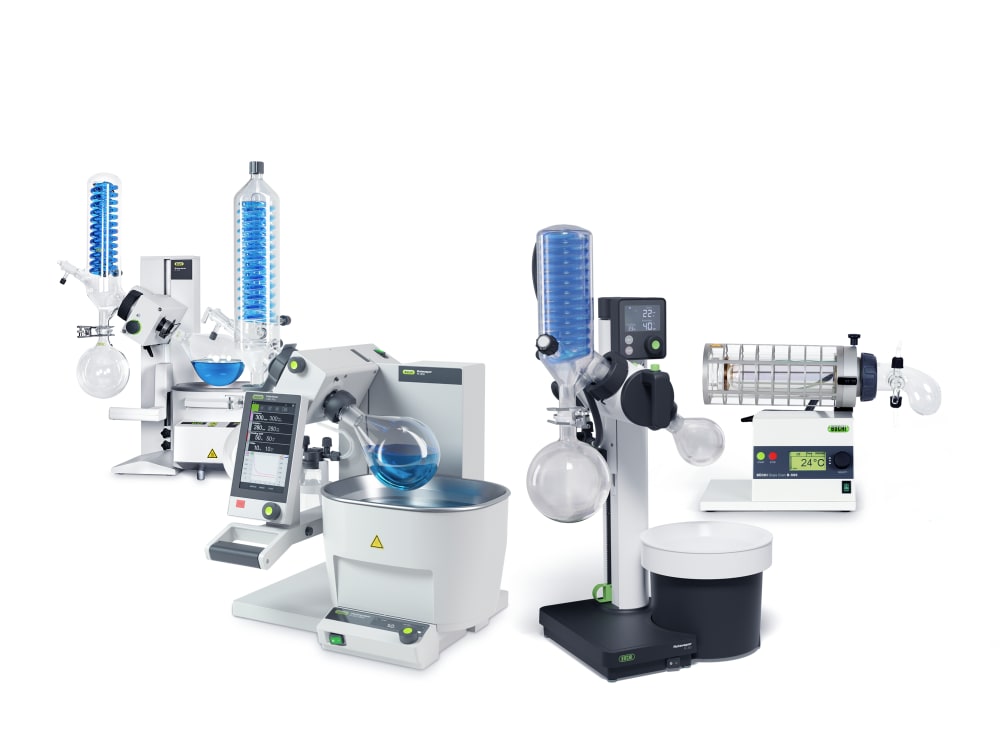
Laboratory Evaporation
BUCHI Rotavapors are a household name in laboratories all around the world. As you can expect from the market leader, our modular evaporation solutions can adapt perfectly to most application needs.
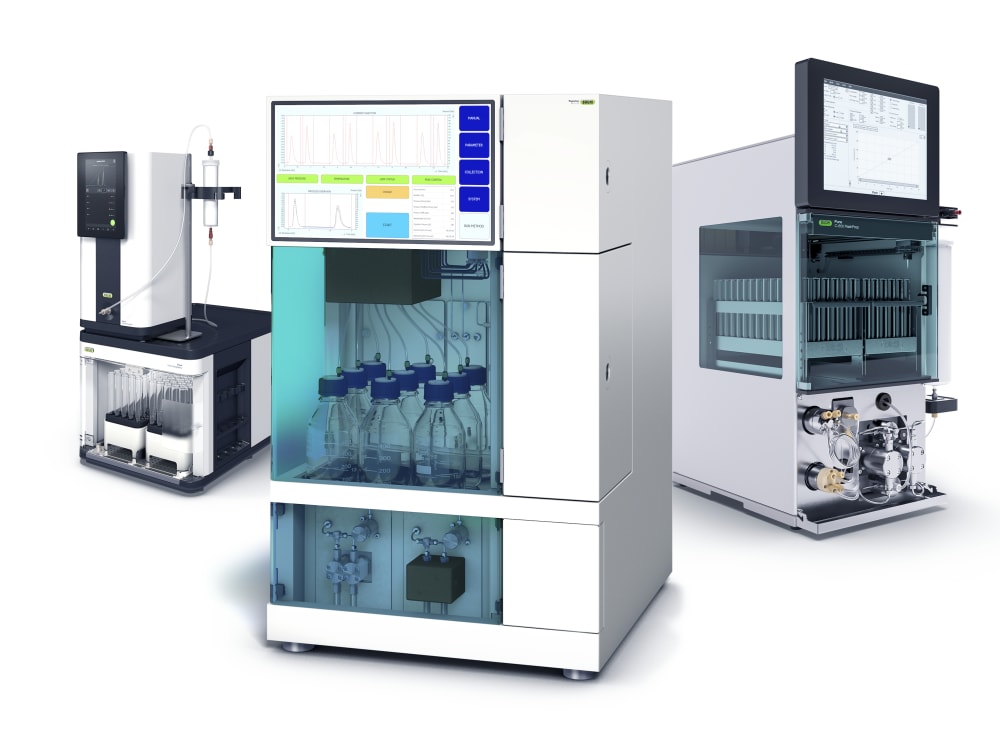
Chromatography
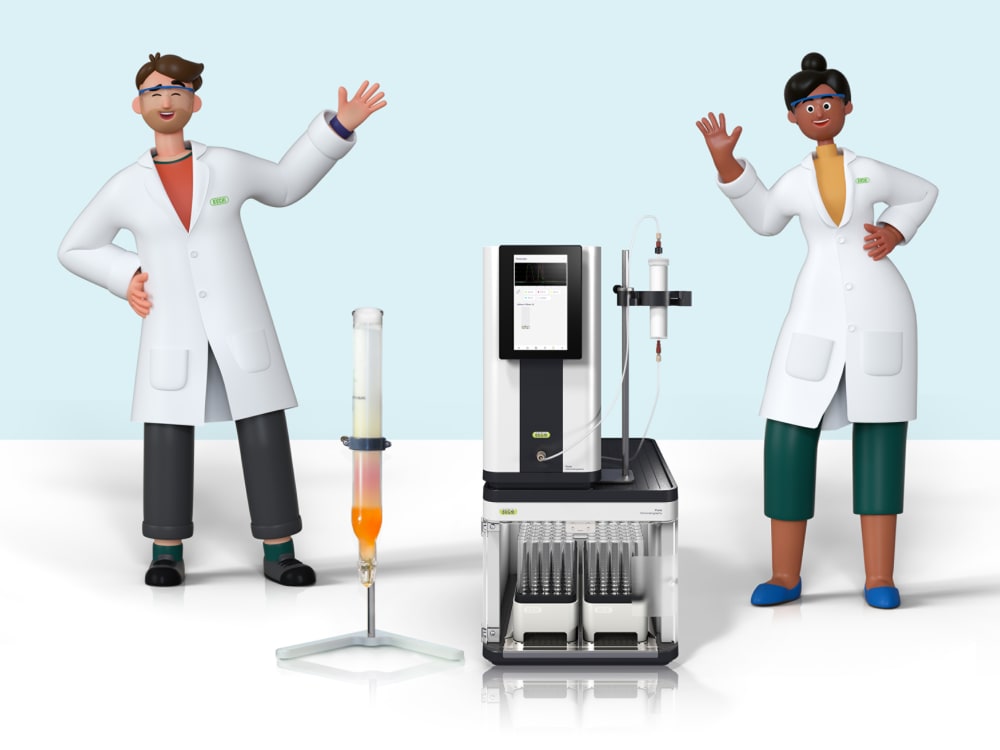
Our chromatography systems offer a space-saving and very flexible solution to your separation needs, from flash up to preparative scale.
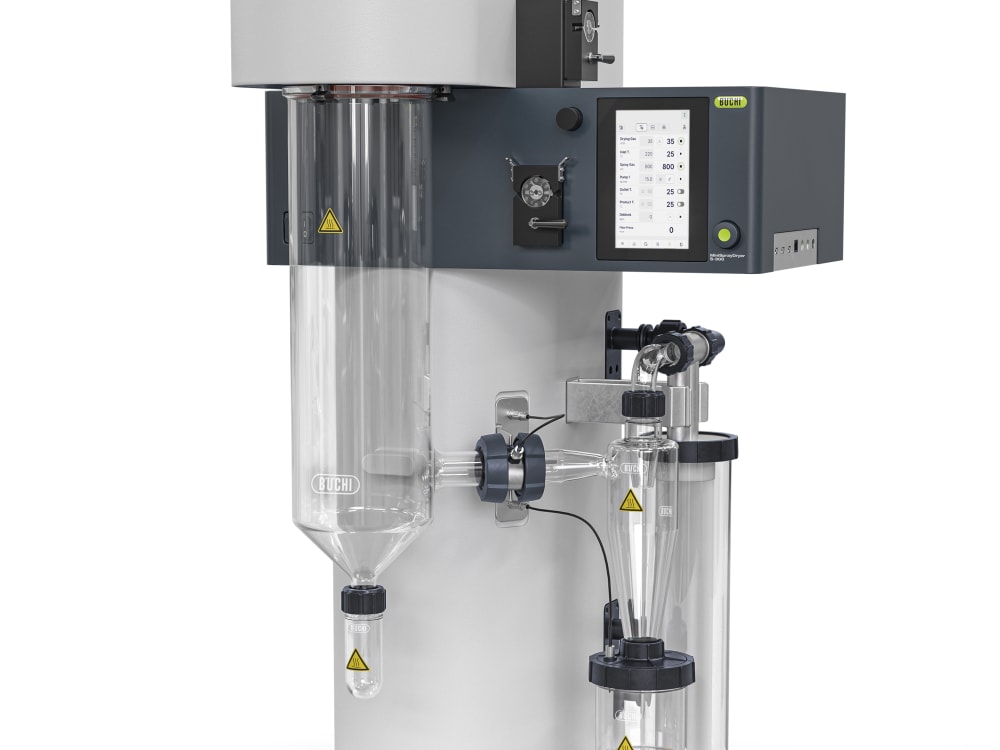
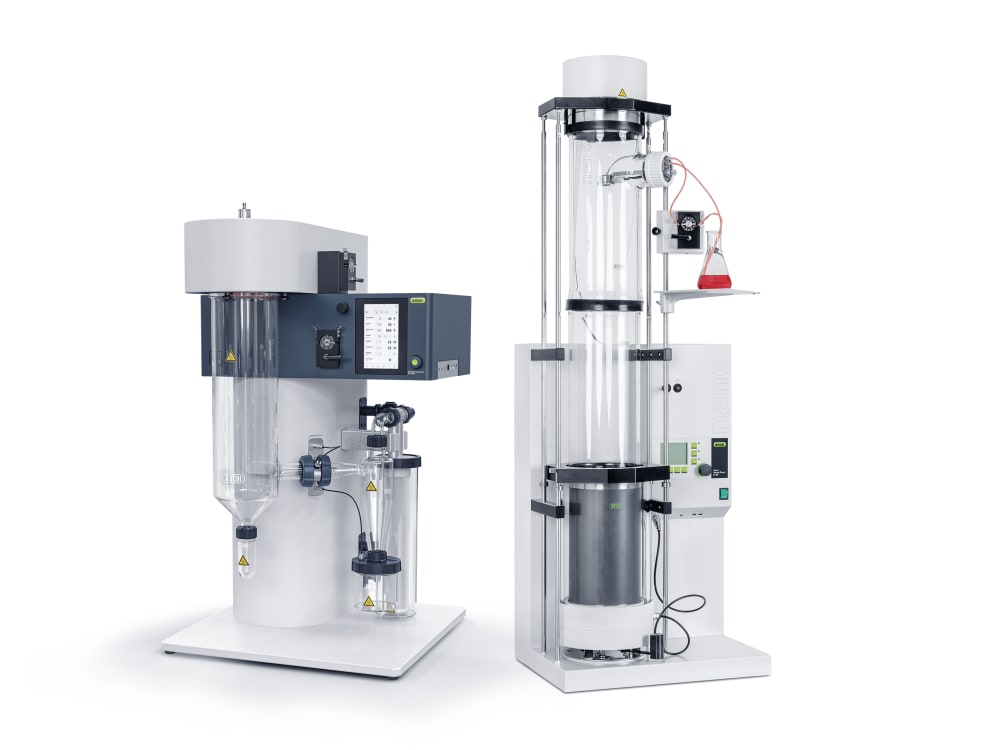
Spray Drying
As market leader in lab spray drying, we have many years of experience and can offer comprehensive support for lab-scale particle formation in pharma, chemistry, and food R&D.
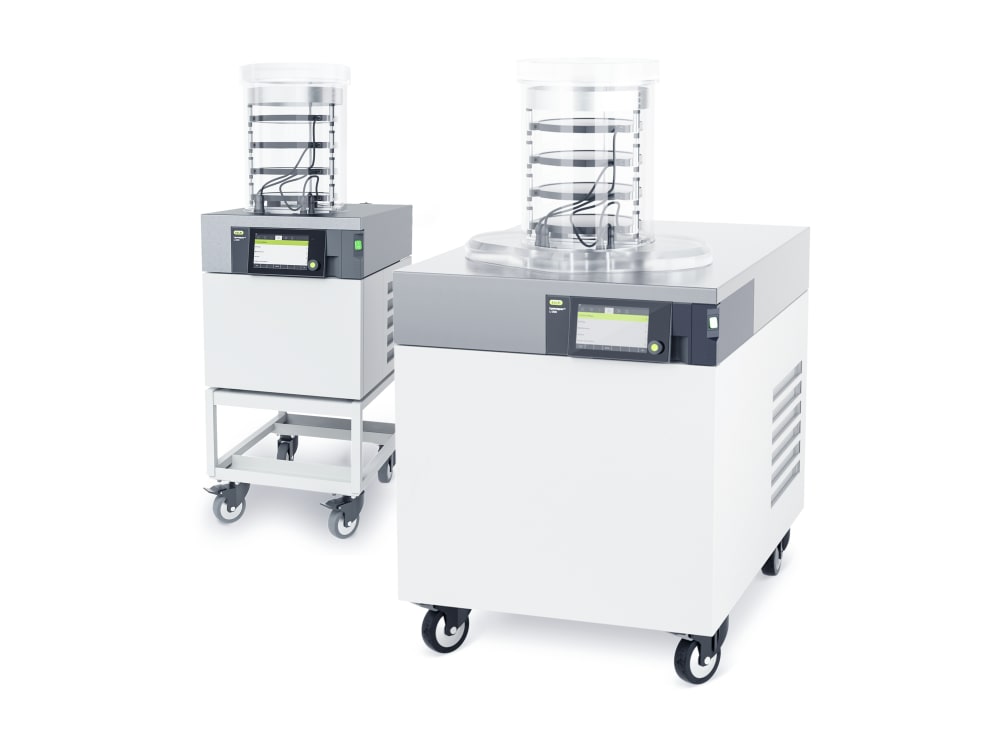
Freeze Drying
Our freeze dryers bring innovation to freeze drying, for example with the option of continuous 24/7 sublimation with alternately working condensers and other many new possibilities.
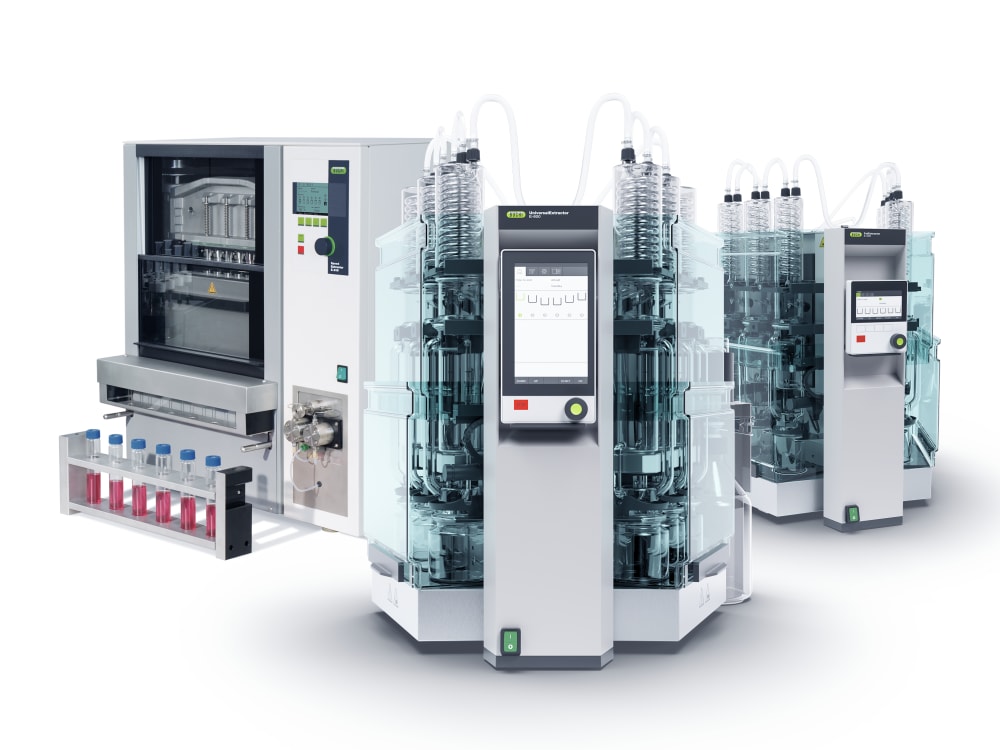
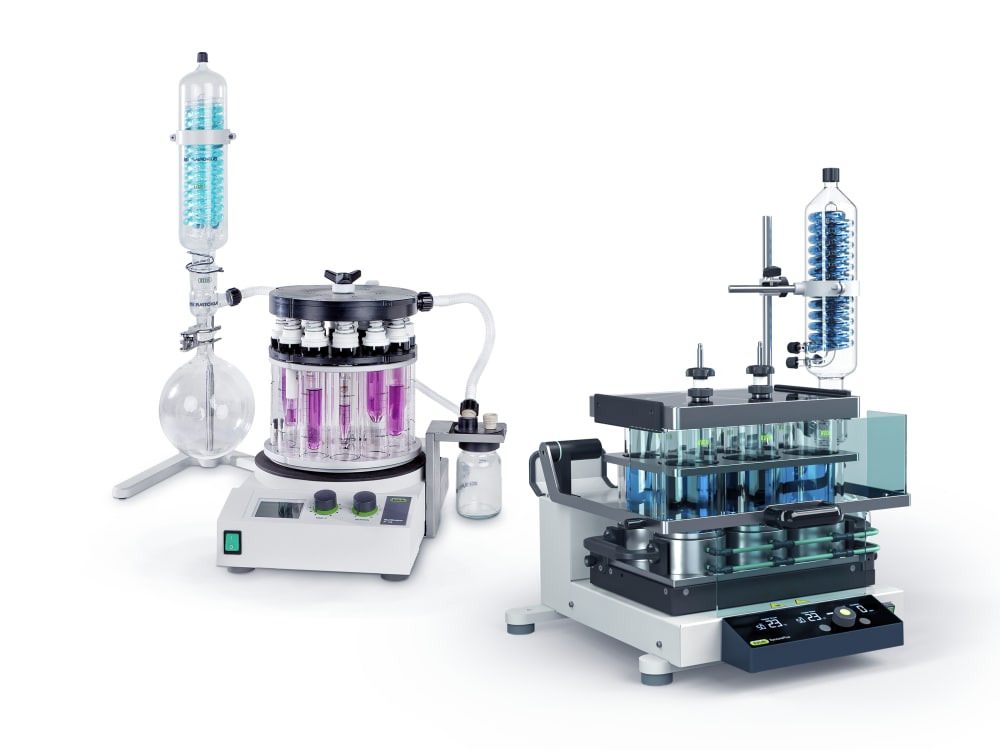
Extraction
BUCHI has been a leader in extraction solutions for many years. Apart from offering true Soxhlet extraction, our focus is on highest throughput while providing maximum applicative flexibility.
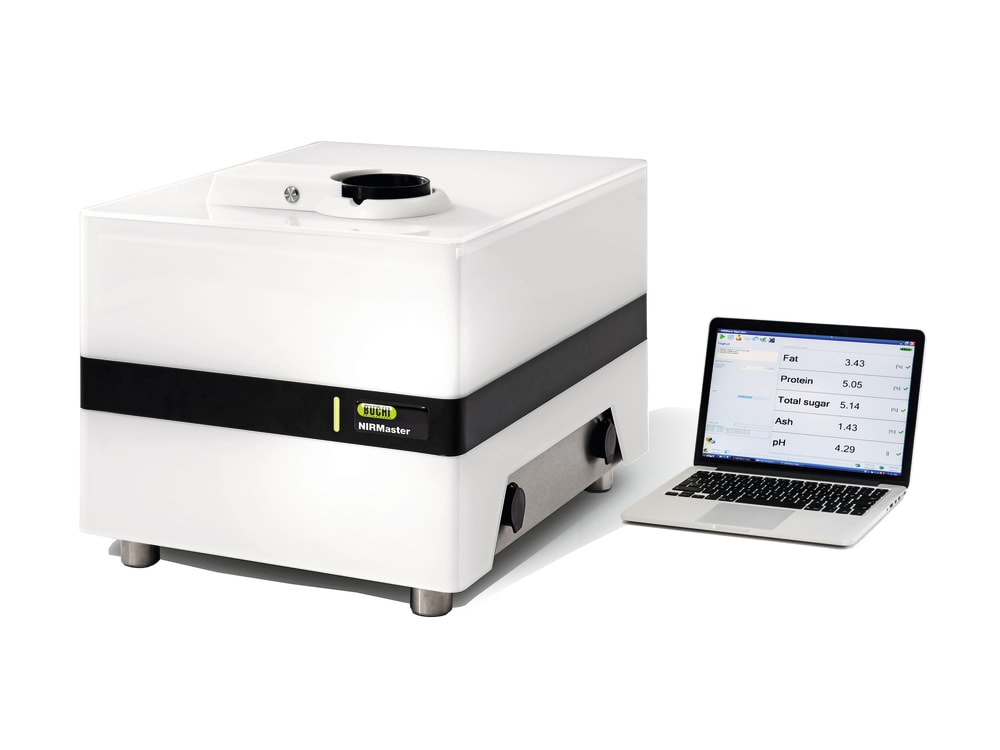
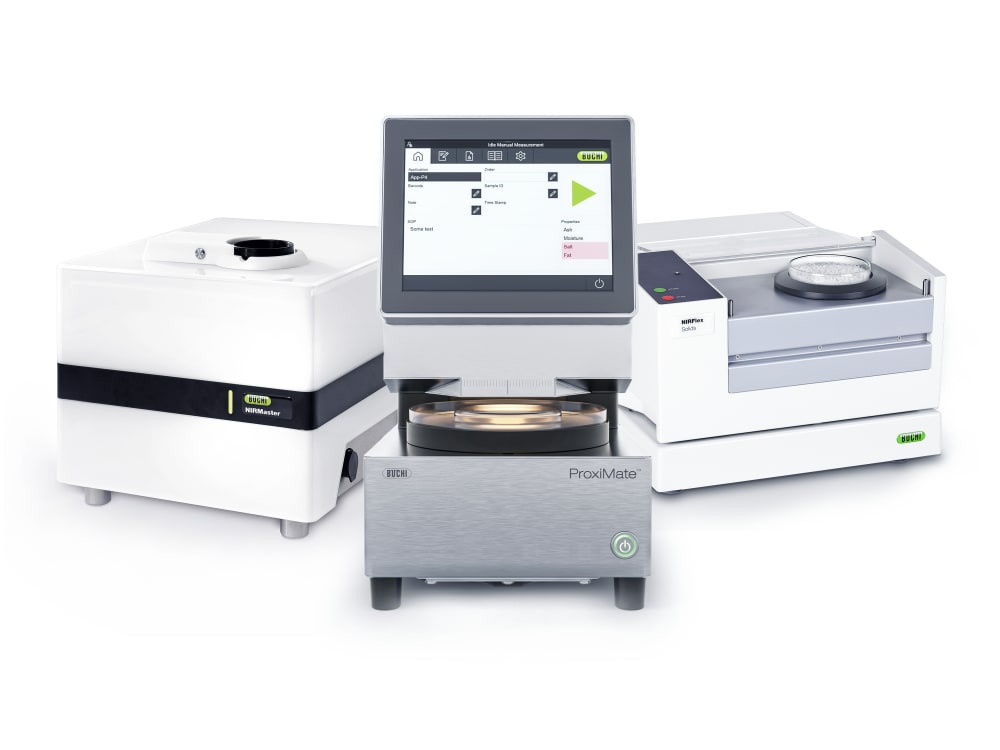
Near Infrared
The BUCHI NIR (Near Infrared) solutions offer highest performance for the lab as well as simple and ruggedized solutions for near production applications.
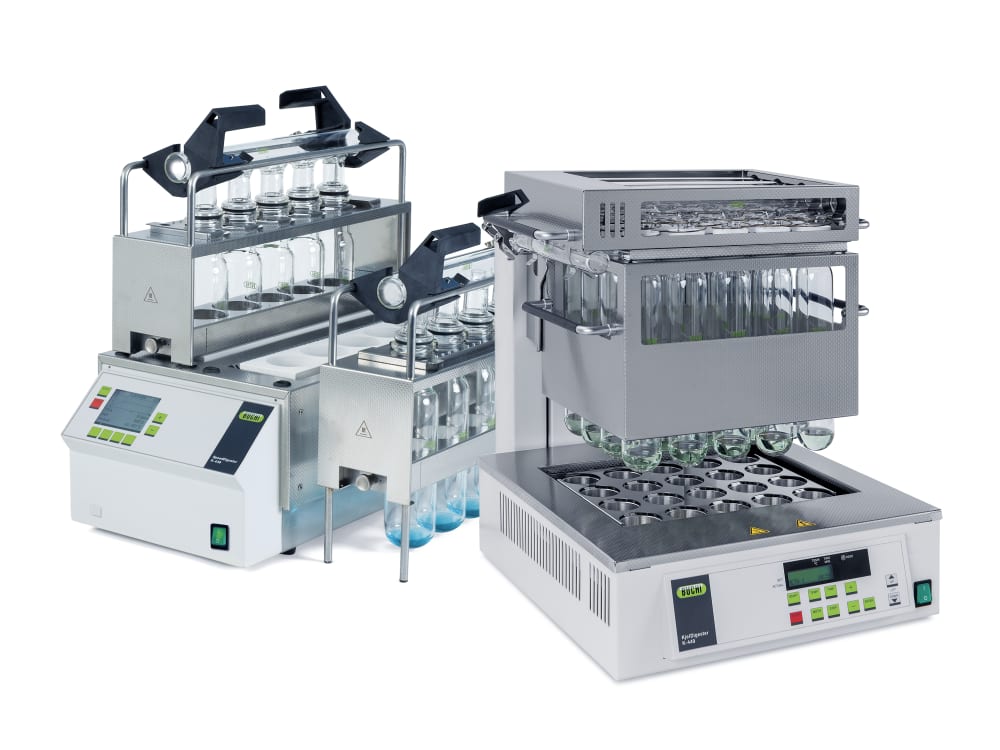
Digestion
Our digestion solutions are optimized for Kjeldahl and other many other applications. They offer high automation as well as maximum protection of the user.
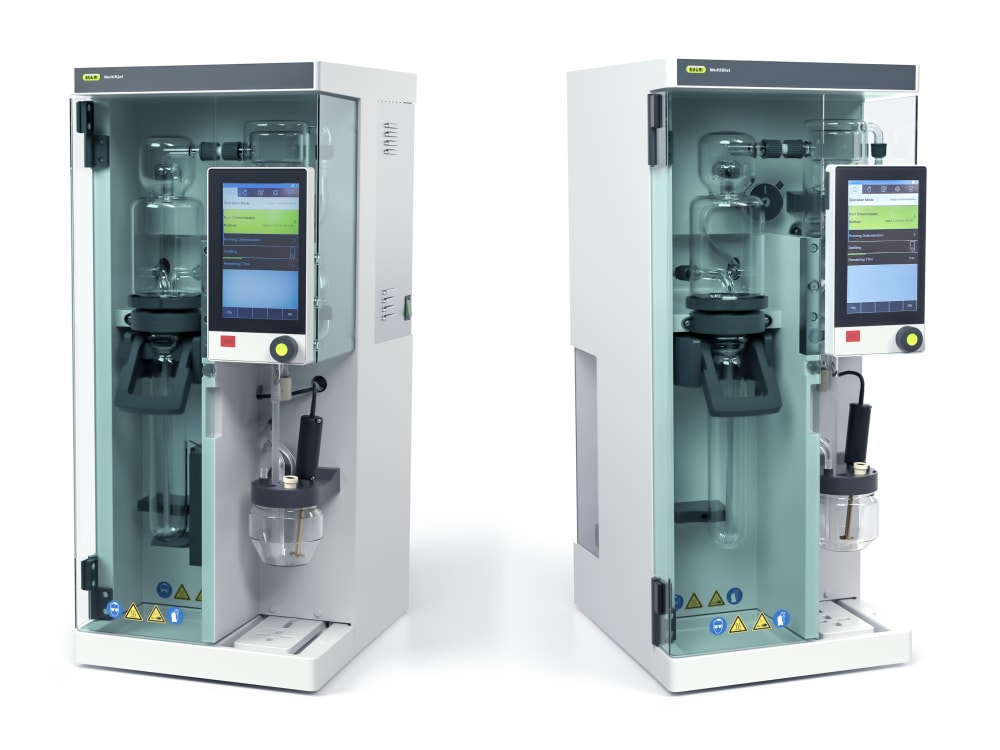
Steam Distillation
BUCHI steam distillation systems completely automate the process and are tightly integrated with volumetric our colorimetric titration solutions.
Parallel Evaporation
Our parallel evaporation solutions maximize the throughput with up to 96 parallel samples. They are used for a wide array of applications in environmental as well as chemistry labs.
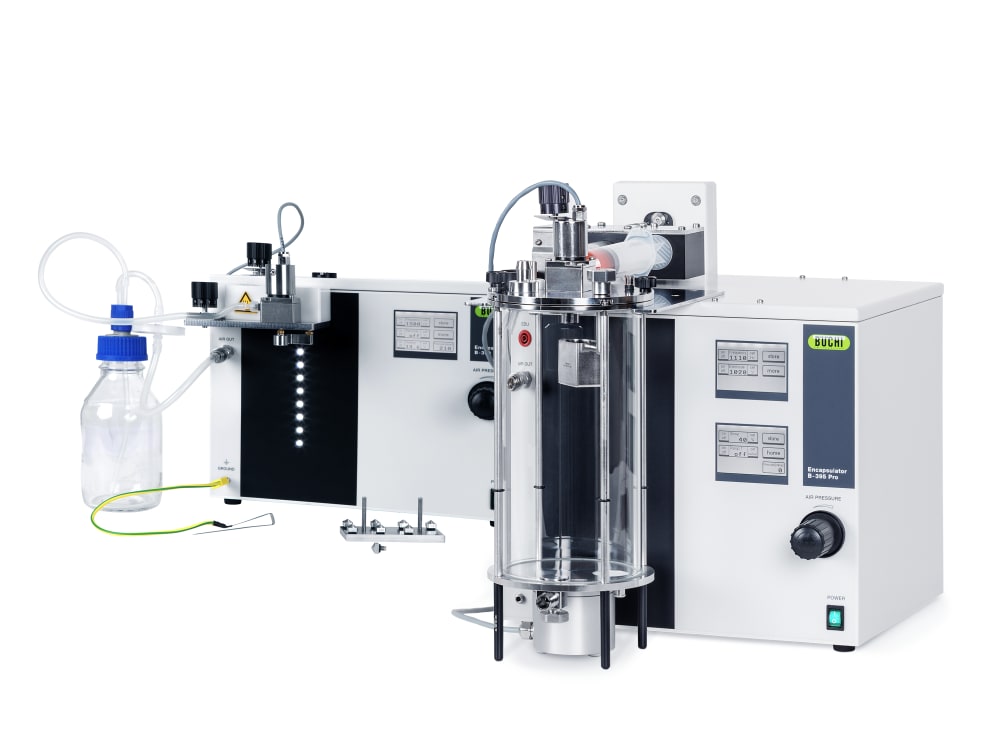
Encapsulation
Micro-encapsulation is a unique technique for the formulation of APIs, food and even living cells. Our systems provide a well-controlled production of capsules on a laboratory scale.
Industrial Evaporation
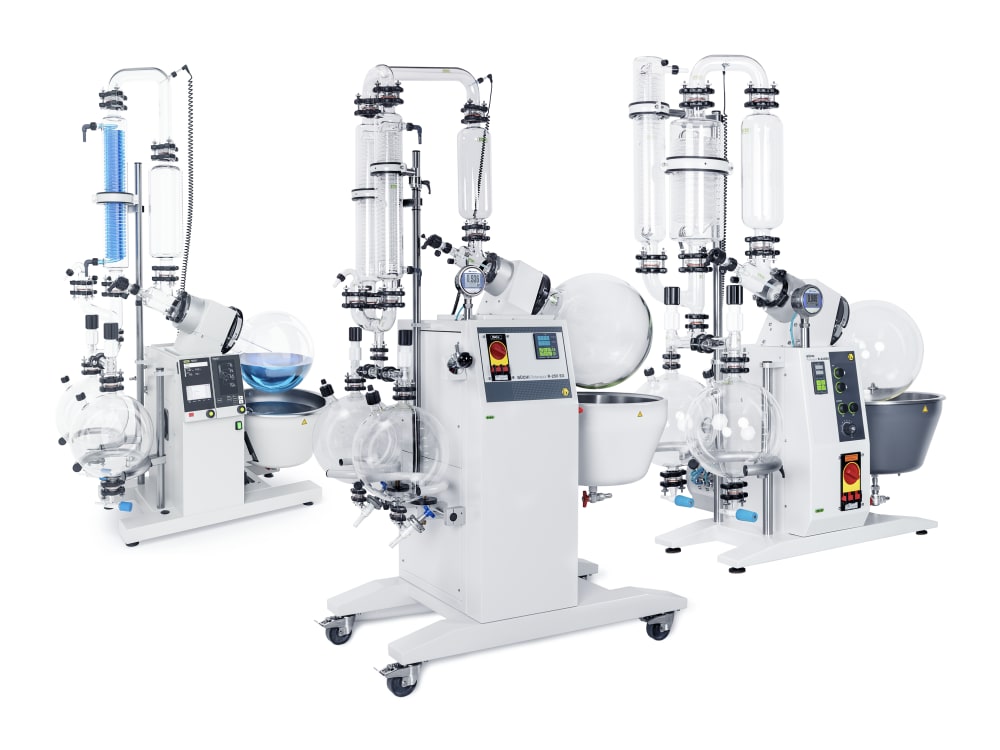
BUCHIs industrial evaporation solutions cover sample sizes of up to 50 liters and are known for highest applicative flexibility as well as superior ruggedness and quality.
Melting Point
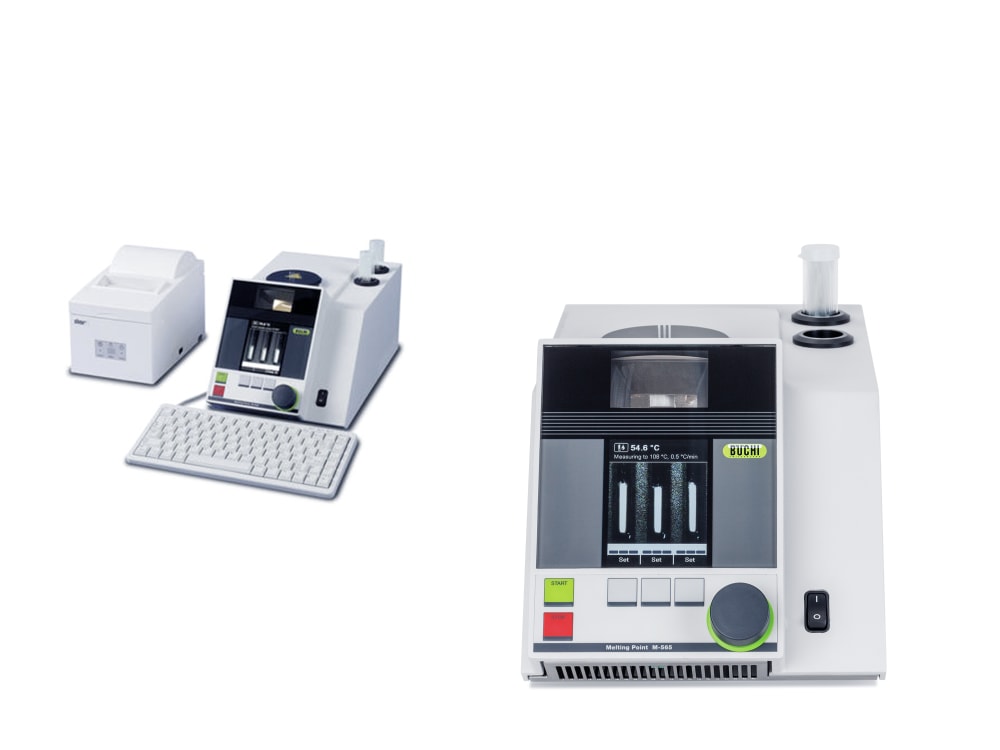
BUCHIs melting point analyzers fully automate the rather time-consuming process of melting point and boiling point determination and provide highly accurate results.
NIR-Online
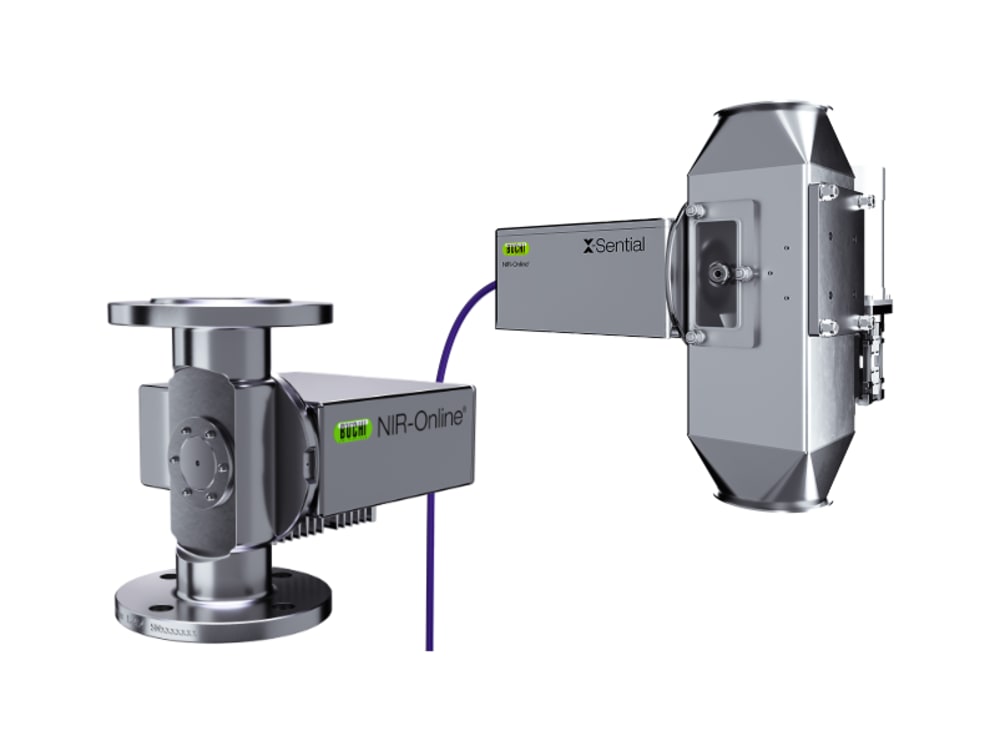
BUCHI NIR-Online® real-time process control enables optimizing all stages of your production - from incoming goods inspection to releasing finished products.
Highlights
Webinar: Chromatography - How to switch from prep HPLC to prep SFC
Dr. Birke Götz from BUCHI, Holger Gumm Managing Director, Sepiatec GmbH and Ron Magboo Senior Principal Investigator at Incyte will focus on the differences between prep HPLC and SFC, highlighting how SFC offers faster and greener solutions.
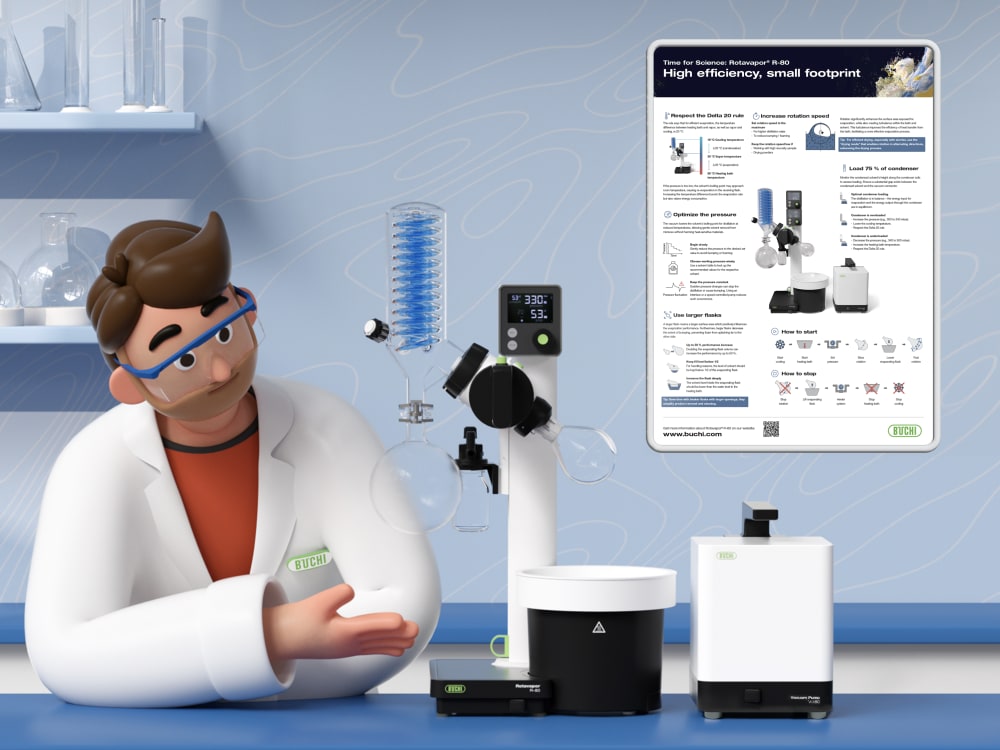
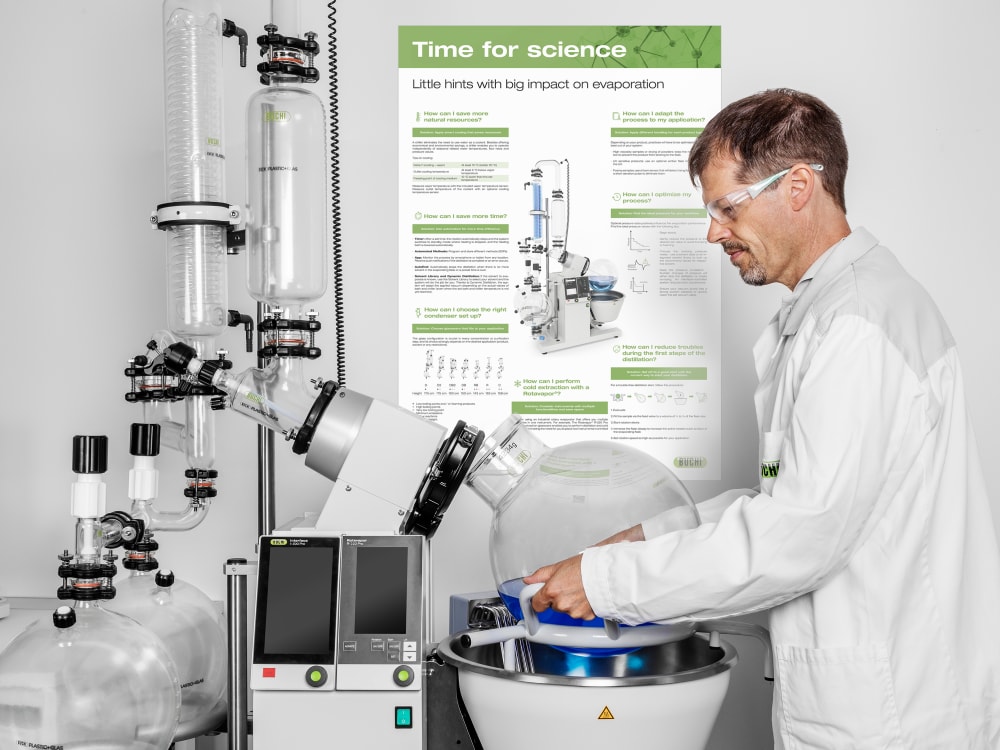
Poster: Time for Science: Rotavapor® R-80
Master the art of rotary evaporation with this poster covering all areas of evaporation and how to optimize the process.
Making the Switch from Open Column to Flash Chromatography?
Simplify Your Switch: Download our Guide for a Painless Transition!
Guidebook: Analyzing Profits: Understanding the ROI of NIR Analysis
Contemplating NIR? Discover the factors that influence the potential profitability of NIR analysis with this in-depth ROI guide.
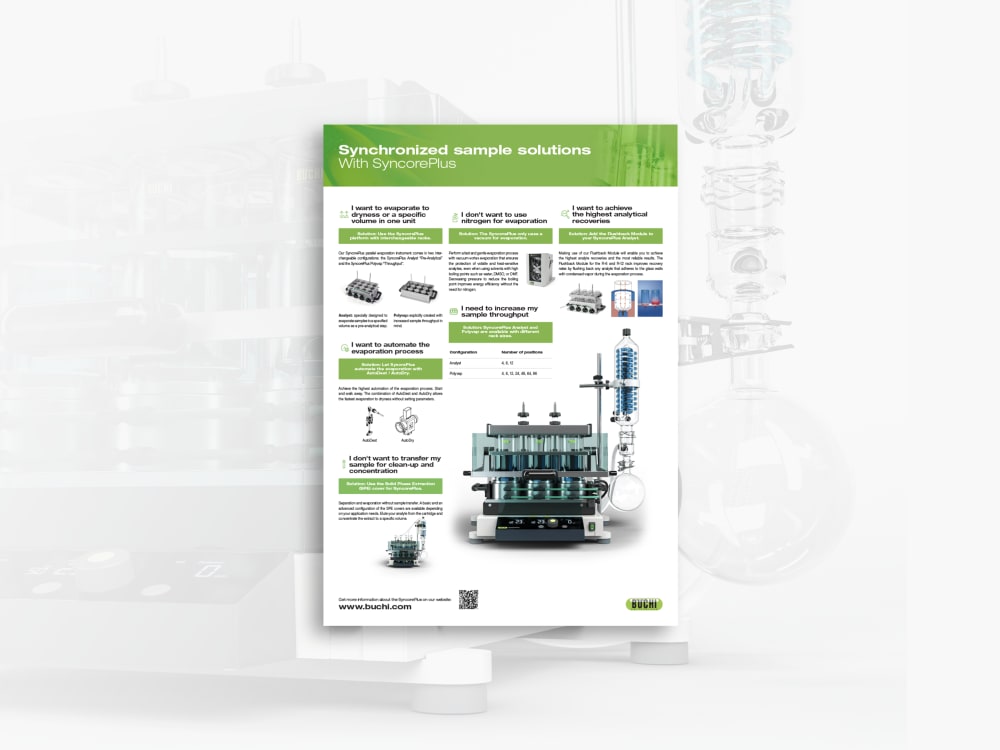
Poster: Parallel Evaporation Solutions with SyncorePlus
Increase your efficiency and learn how to optimize your output with our SyncorePlus parallel evaporation solutions poster.
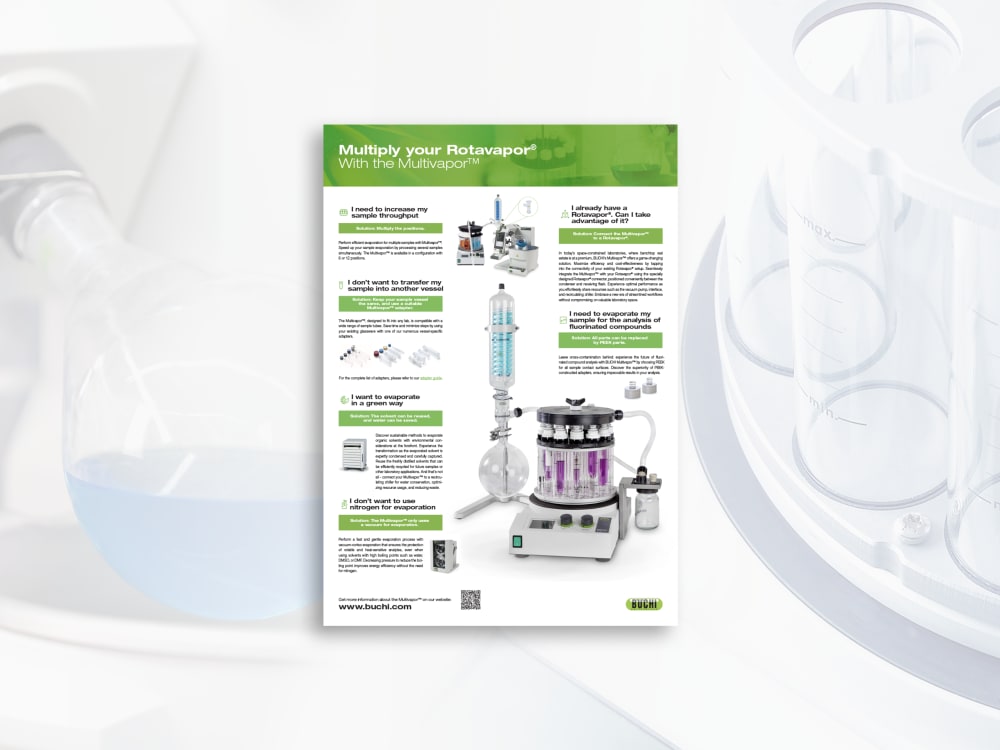
Multiply your Rotavapor® with the Multivapor™
Learn how the Multivapor™ can help you expand the efficiency of your Rotavapor®
Comprehensive guide: HPLC and SFC Solutions Compared
Discover which technology benefits you the most regarding cost-efficiency, speed, ecological footprint, and separation application.
Reference Methods Guide: Using proximate analysis as the basis for NIR calibrations
Essential information on fat and protein determination according to proximate analysis for a range of food types.
Chromapedia Volume V
Optimally separate a range of compounds with this in depth guide to flash & prep HPLC chromatography applications
Poster: The art of spray drying
With the right tools, anyone can achieve a formulation masterpiece. Use our poster on spray drying essentials to access these tools and obtain powders you can be proud to put your name on.
Guidebook: Key methods and parameters in food analytics
Valuable insights and tips on techniques used for quality control of food.

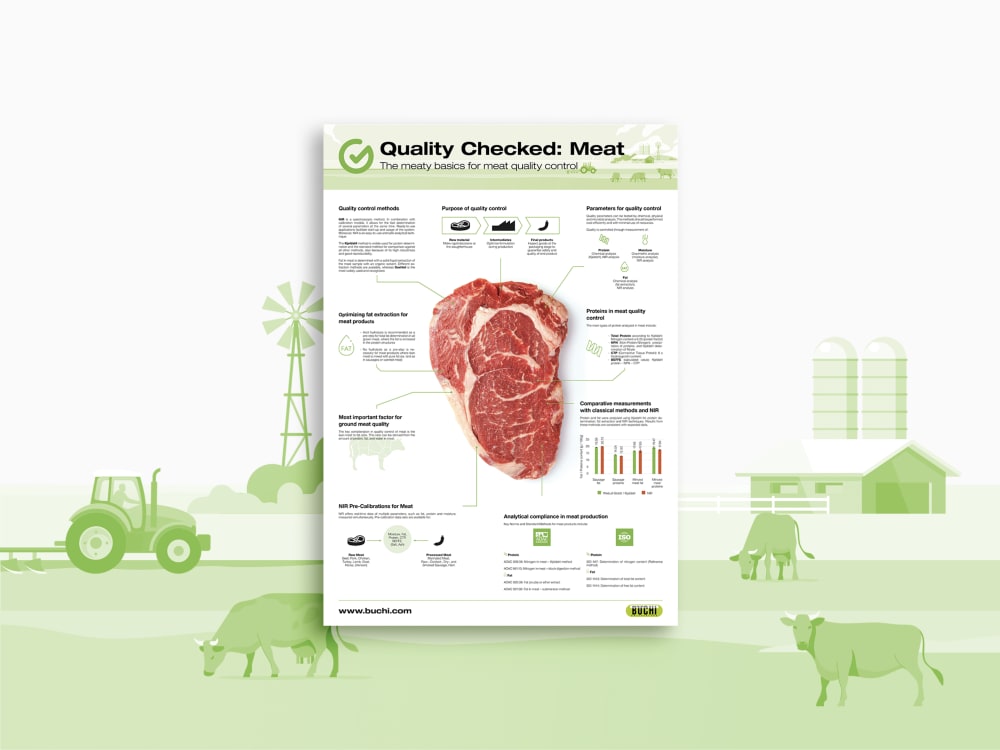
Poster: Quality Control in Meat Production
Overview of essential methods and parameters for quality assurance of meat products.
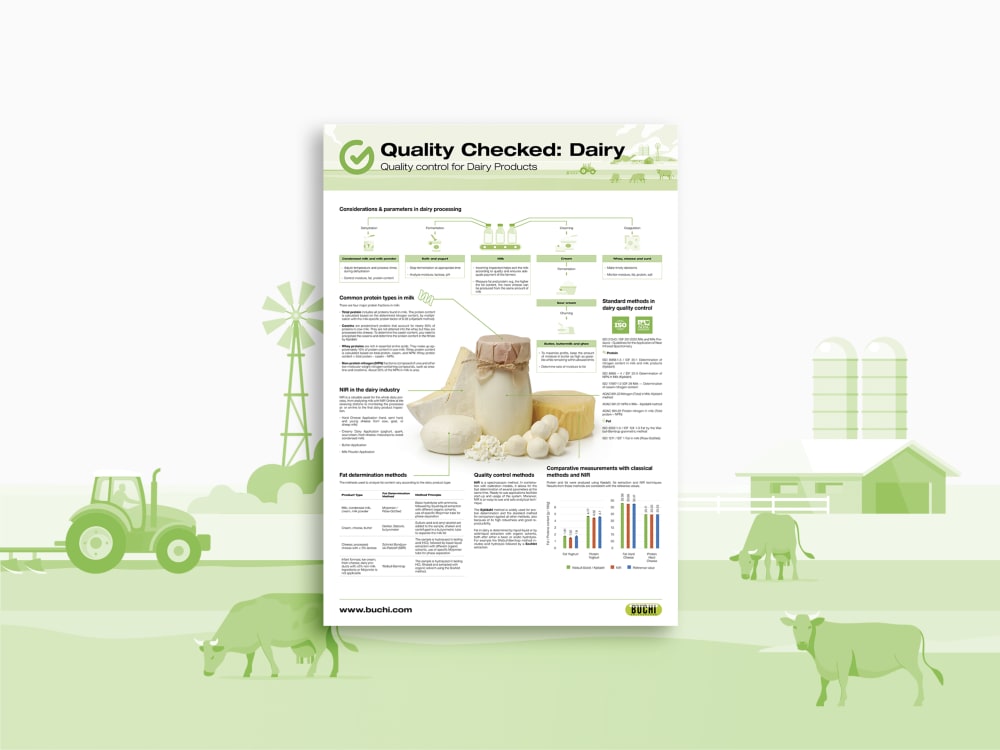
Poster: Quality Control in Dairy Processing
Overview of methods and parameters for quality control of milk, butter, cheese, creams, powders.
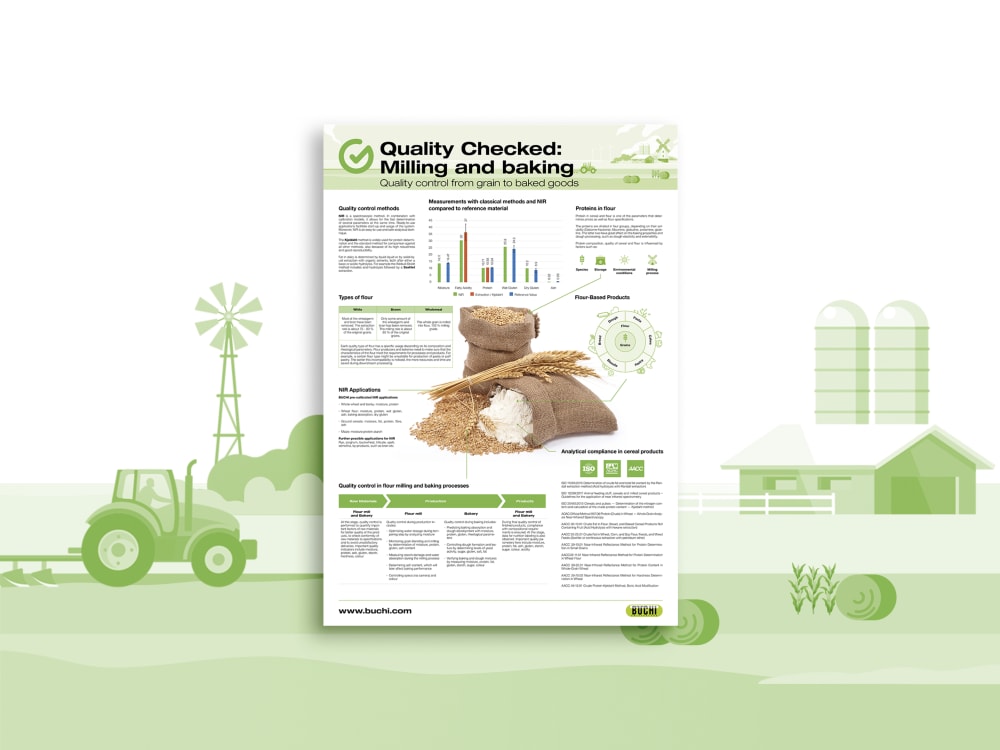
Poster: Quality Control during Milling & Baking
Overview of methods and parameters for quality control of flour and baked goods.
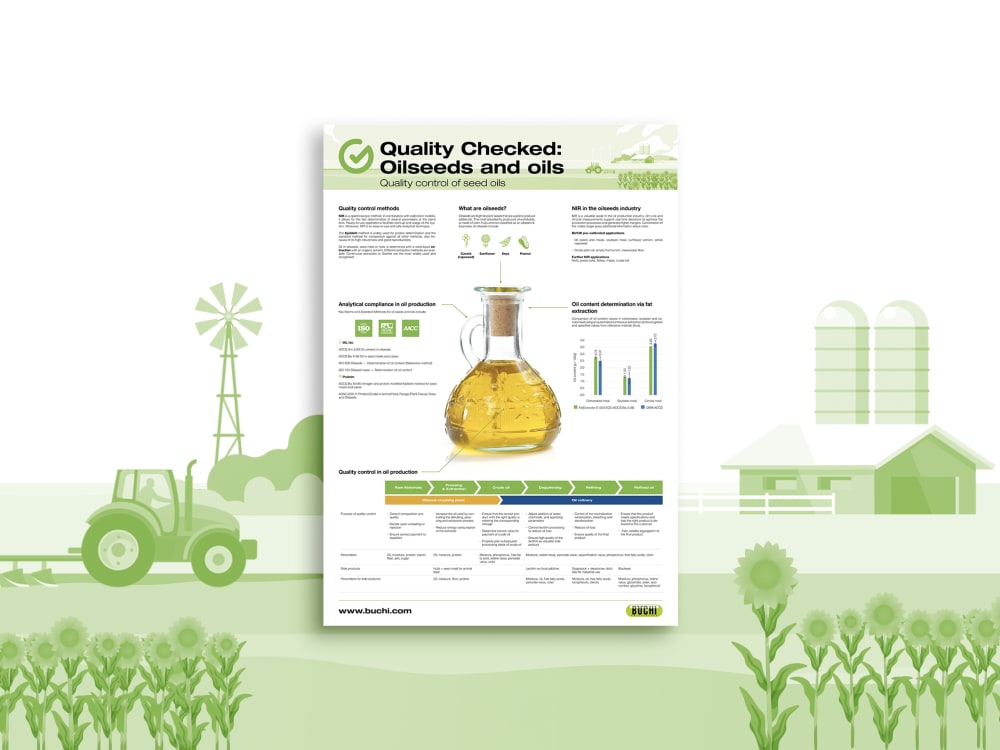
Poster: Quality Control in Seed Oil Production
Key methods and parameters for quality control during seed oil production.
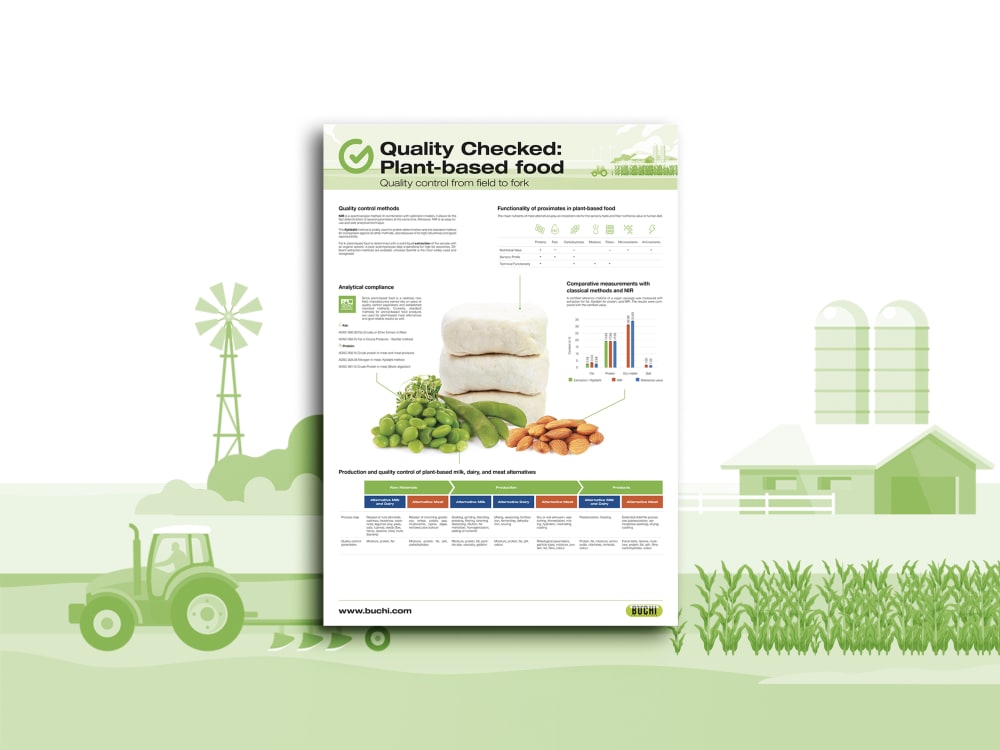
Quality Checked: Plant-Based Food
Essential info on methods and parameters for achieving quick quality control of plant-based food.
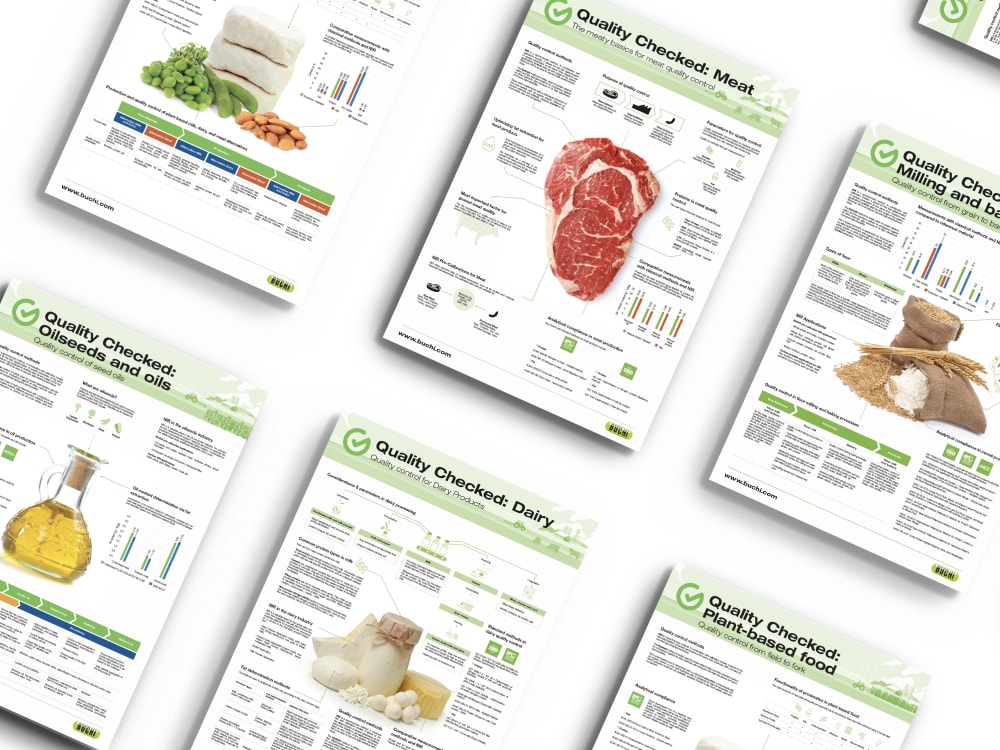
Quality Checked Poster Series: Food production
Essential info on methods and parameters for achieving quick and compliant quality control of meat, dairy, oil, grains and plant-based food.
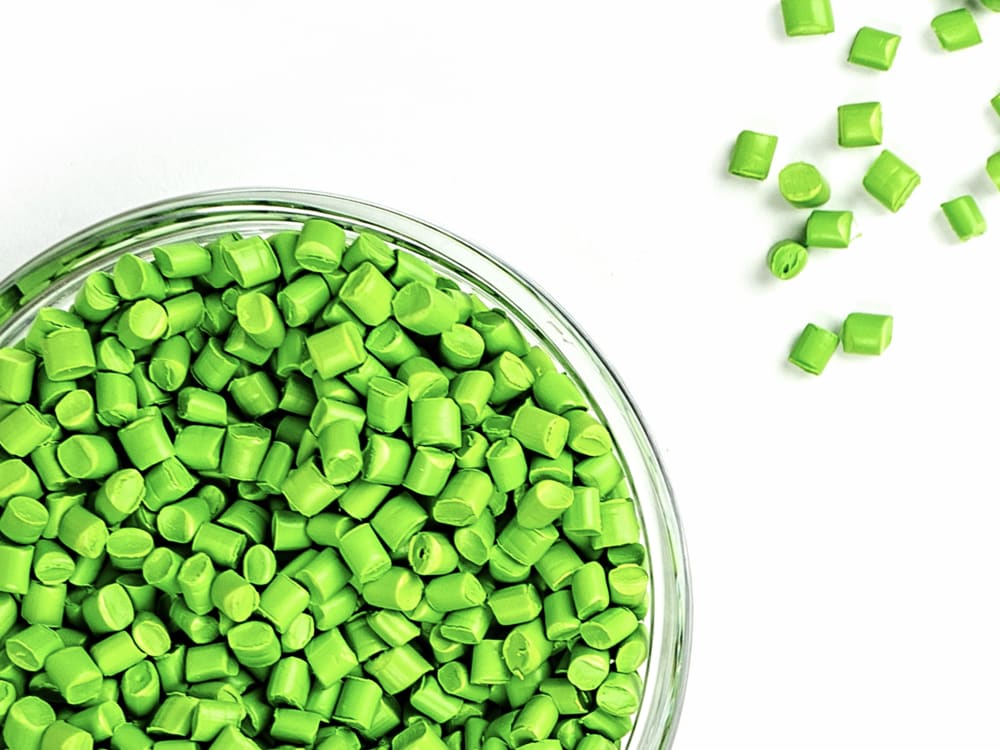
Guidebook: Polymers processing and quality control
How to save resources with NIR and extraction methods for polymer quality control.
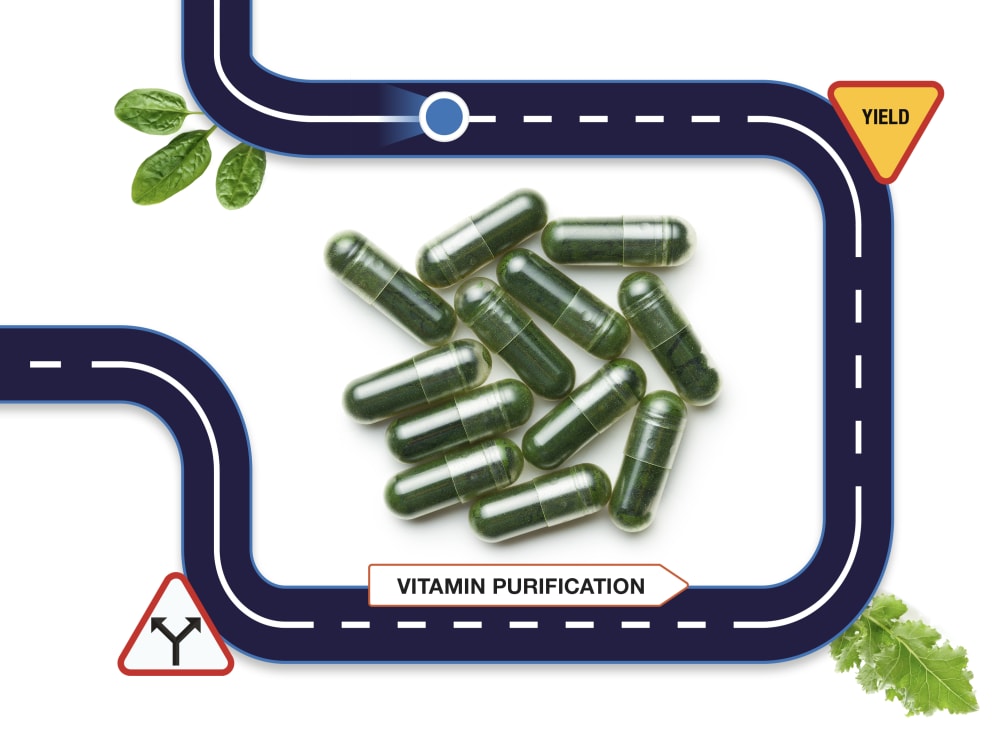
Poster: "Your GPS to avoiding 8 roadblocks in vitamin research"
Clever solutions to challenges in vitamin purification and preservation.
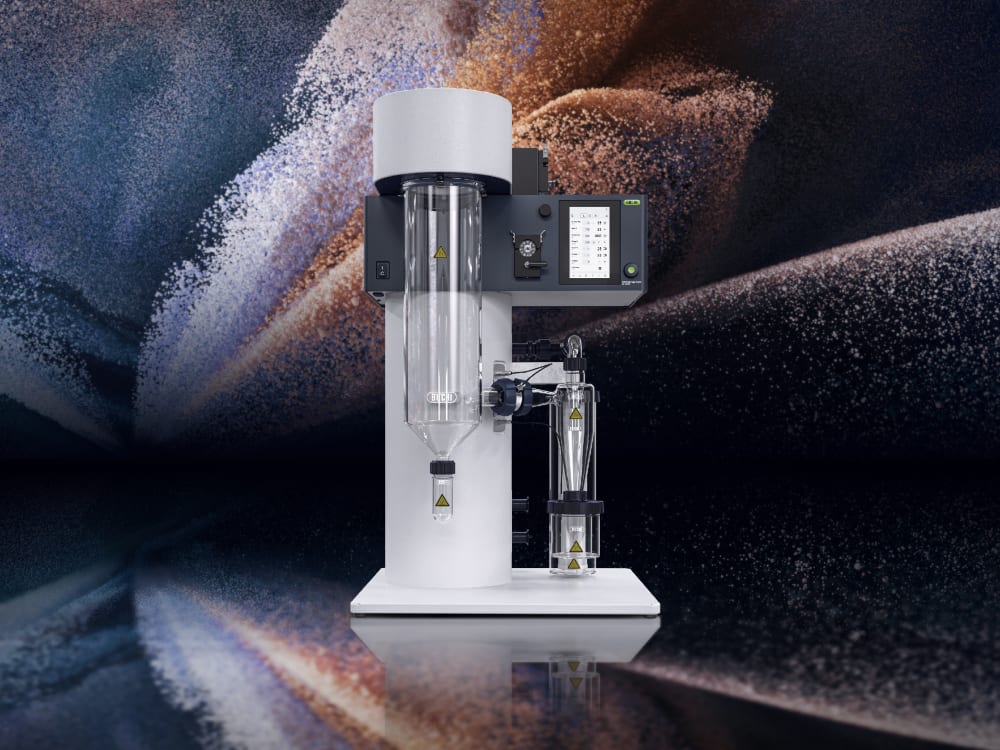
The next-generation spray dryer has arrived!
Experience spray drying like never before with the revolutionary Mini Spray Dryer S-300.
Food Guide: How to optimize your processes in 5 Steps
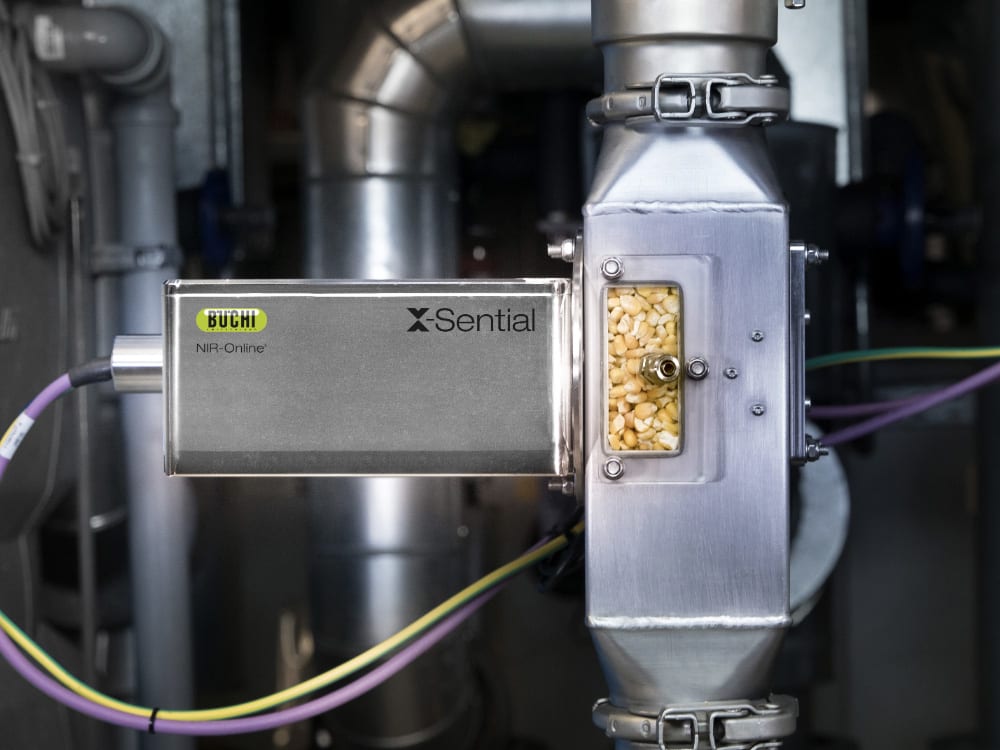
and why the new NIR-Online X-Sential™ can play an essential role.
"Curiosity" - The latest advancements in medicinal chemistry
Free magazine dedicated to drug discovery and pharmaceutical R&D
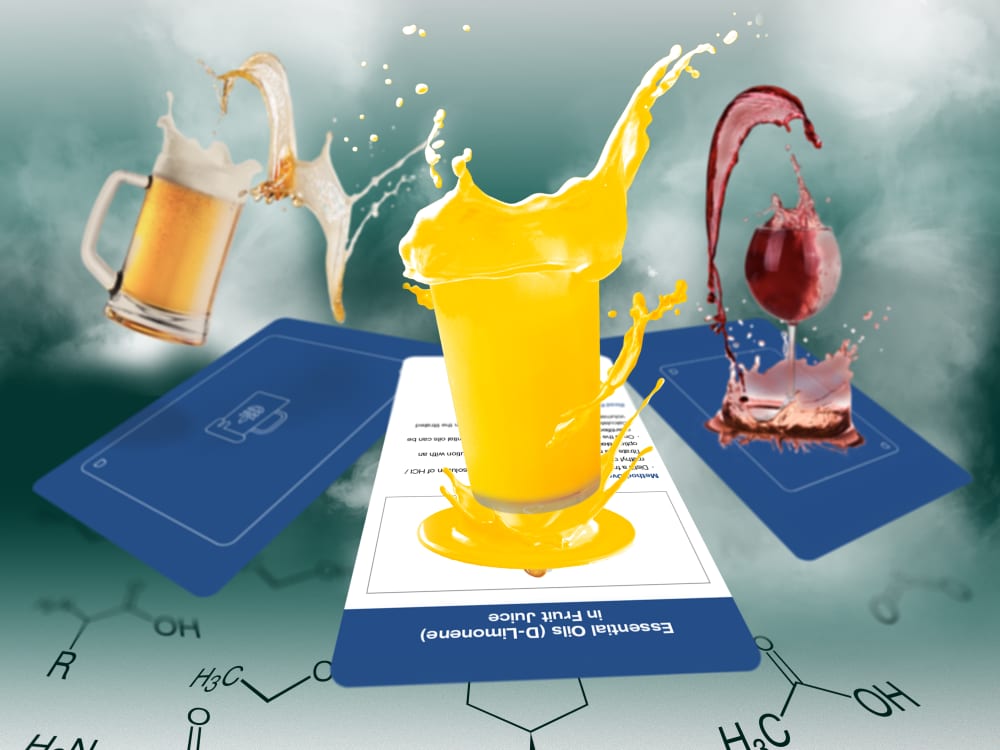
22 Cue Cards with Methods for Steam Volatile Analytes
How to determine nitrogen, protein, alcohol and more in food, feed, pharmaceutical, and environmental samples.
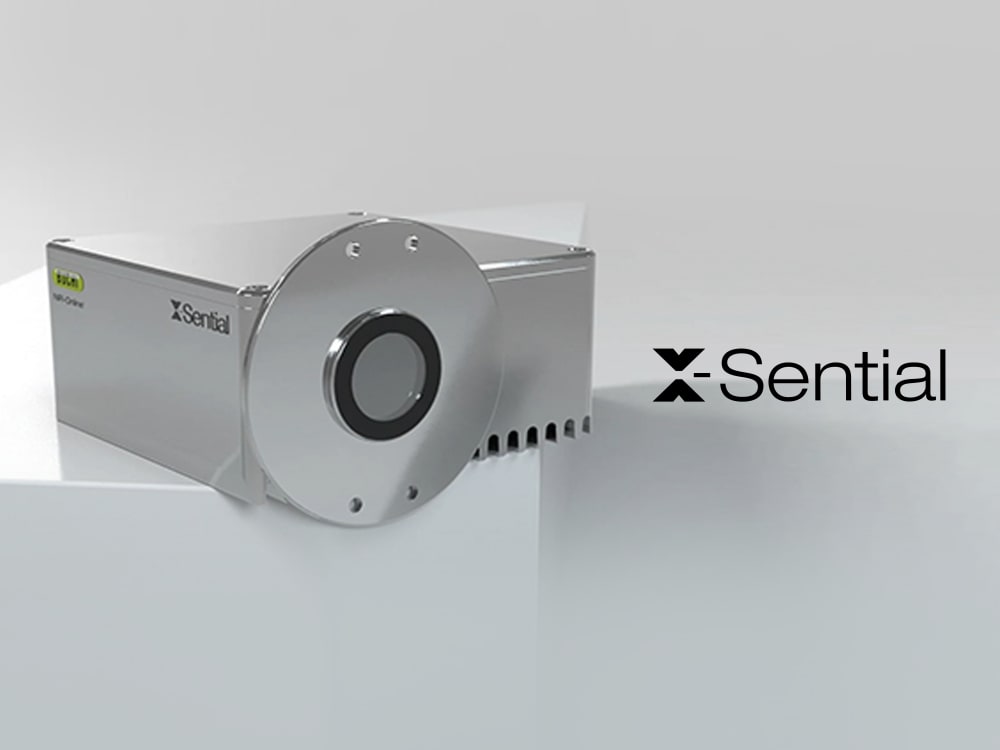
BUCHI NIR-Online® X-Sential™ - are you ready to control in real-time?
Discover how we can help you optimize your process in a cost-efficient way!
Time for Science: Industrial Evaporation Poster
Little hints with big impact on your industrial evaporation
18 Steam Distillation Challenges Solved
Pocket cards with 18 tips on how to optimize the steam distillation process.
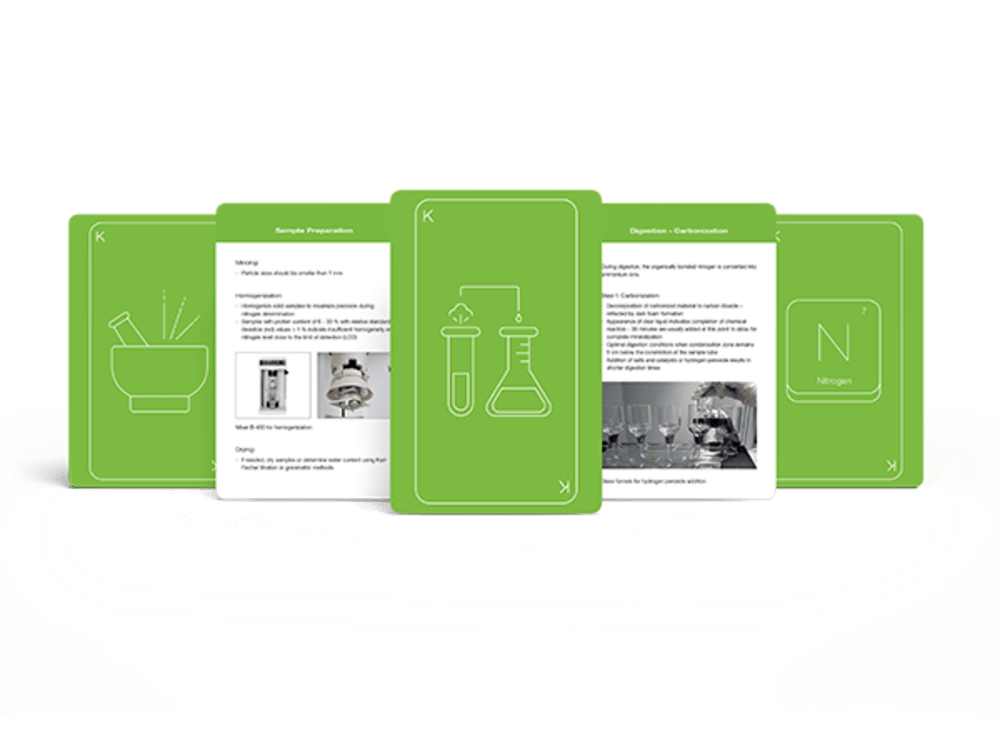
19 Cue Cards You Need to Master the Kjeldahl Method
Practical Pocket Cards With Essential Kjeldahl Knowledge
Evaporation guide: matching your system to your needs
How to choose the ideal evaporation family member to adopt into your lab
Optimizing workflows in the environmental lab
Free guide: Reliable determination of environmental pollutants.







Industries
Pharma and Chemical
BUCHI offers a wide array of solutions for Pharma and Chemical R&D, with a focus on the synthesis work-up, natural products extraction, and formulation solutions.
Food and Feed
Our Food, Beverage & Feed solutions focus on the determination of proximates such as protein, fat and many other parameters in the quality control laboratory as well as online in production.
Environmental
Our environmental solutions accelerate and automate the workup and analysis of many samples such as soil or air.


News
Rotavapor® R-80 System: Evaporation on the smallest footprint
2024 Apr. 11
April 2024, Flawil, Switzerland - BÜCHI Labortechnik AG, a leading provider of laboratory equipment, has added the Rotavapor® R-80 System to its portfolio. This entry-level instrument offers BUCHI quality at an affordable price and ensures the efficient...
BUCHI Unveils Branding for the Digital Age
2023 Nov. 14
We are excited to announce our refreshed branding, tailored to meet the demands of today's digital landscape while staying true to our core values of quality and innovation.
ILMAC Basel
2023 Sep. 4
Visit us from 26. - 28. September at ILMAC in Basel. We are at stand E173 and we are looking forward to see you!
Pure Essential Chromatography System: First steps to fast separations
2023 Jun. 6
June 2023, Flawil, Switzerland - BÜCHI Labortechnik AG, a leading provider of laboratory equipment, has added the Pure Essential Chromatography system to its portfolio. This instrument serves as the ideal introduction to automated flash chromatography....
Sepiatec SFC Systems - The Green Standard for Fast Compound Isolation
2023 Jan. 17
January 2023, Flawil, Switzerland - BÜCHI Labortechnik AG, a leading provider of laboratory equipment, has added Sepiatec SFC, its first Supercritical Fluid Chromatography (SFC) systems, to its preparative chromatography portfolio. Thanks to smart system...
BUCHI Ibérica to serve Spain and Portugal
2022 Dec. 5
As of January 2023, Barcelona-based BUCHI Ibérica will take over the Portuguese market. The entire Iberian Peninsula will be handled exclusively by the BUCHI Group. An important milestone in the development of the Iberian market organization, which was...
SFC Pioneer Sepiatec acquired by BUCHI
2022 Aug. 31
Sepiatec, an innovative pioneer in Supercritical Fluid Chromatography Systems, headquartered in Berlin, has been acquired by Swiss lab equipment manufacturer BÜCHI Labortechnik AG.
Automation and innovative design of BUCHI’s new Spray Dryer markedly improve spray drying performance
2022 Jun. 27
June 2022, Flawil, Switzerland - BUCHI Labortechnik, the global market leader in spray drying equipment for the last 40 years, has launched the Mini Spray Dryer S-300, a new generation of spray drying systems. The latest instrument combines novel automation...
BUCHI wins Swiss Export Award 2022
2022 Apr. 7
Today at the Swiss International Trade Forum at KKL Lucerne, Switzerland Global Enterprise (S-GE) presented this year’s Export Award to BÜCHI Labortechnik AG. The company impressed the jury with its international go-to-market strategy and beat Altoo...
Swiss Export Award 2022: BUCHI in the finals
2022 Mar. 17
Flawil, March 2022. The Export Award conferred annually by Switzerland Global Enterprise (S-GE) honors companies with international operations that show impressive results from their expansion strategy, the clarity of their internationalization concept,...
BUCHI opens Taiwan branch
2022 Jan. 3
Flawil/Taipei, 01.03.2022. With the establishment of a market organization in Taipei, BÜCHI Labortechnik AG is further expanding its global market presence.
BUCHI’s new steam distillation units offer tailor-made solutions
2021 Jul. 22
July. 2021, Flawil, Switzerland - BÜCHI Labortechnik AG has launched two new product lines for steam distillation with innovative, modular features that provide the highest flexibility in analyte determination.
BUCHI NIR-Online® launches a new sensor for essential process control
2021 Jul. 12
Flawil, Switzerland, July 12, 2021 – With the launch of the NIR-Online X-Sential™, BÜCHI Labortechnik AG introduces a new process sensor that takes advantage of more than 15 years of in-the-field experience with process NIR technology and applicati
BUCHI expands direct distribution and support in Spain
2021 Jan. 10
BUCHI expands direct distribution and support by establishing BUCHI Ibérica S.L.
Upcoming Courses & Trainings
Advanced User Training Spray Drying & Encapsulation November 2024
The advanced spray drying & encapsulation training is designed to give you a theoretical and practical overview of those two techniques. Topics such as how to start and optimize a process, particle engineering, scale up and troubleshooting will be di
NIRCal Calibration Training October 2024
Take a deep dive into the world of NIR spectra modelling and calibration. The course is designed for NIRFlex N-500/ NIRMaster users who are in charge of developing quantitative and qualitative calibrations with BUCHI chemometric software NIRCal.
Advanced User Training Spray Drying & Encapsulation May 2024
The advanced spray drying & encapsulation training is designed to give you a theoretical and practical overview of those two techniques. Topics such as how to start and optimize a process, particle engineering, scale up and troubleshooting will be di
Chromatography - How to switch from prep HPLC to prep SFC
Enhance Your Preparative Chromatography by joining our team of experts.